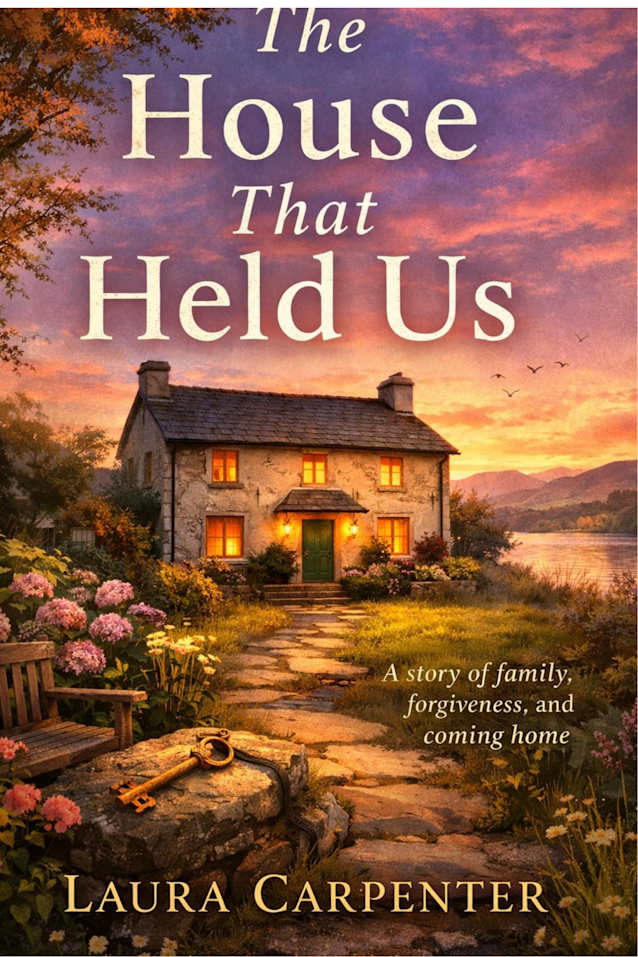
The Table That Held Us : A family novel of grief, grace, and second chances
About
Some houses are inherited.
Others inherit you.
When a long-held family home on the edge of a small Irish town is left to a fractured group of relatives and near-strangers, the will is clear—and uncompromising. To keep the house, they must all live in it together for one year. If they fail, the house will be sold.
No one expects it to work.
Old grievances surface quickly. Grief lingers in doorways. Conversations stall where apologies should be. Each person arrives carrying private reasons for saying yes—and equally strong reasons for wanting to leave.
The house becomes a pressure point. Meals are shared awkwardly at first, then argued over, then slowly claimed as ritual. Small kindnesses collide with long memories. Truths emerge not in dramatic confessions, but in moments of tired honesty: late-night kettles, unfinished sentences, doors left open just a little too long.
As the year unfolds, the cost of staying becomes clearer. So does the cost of walking away.
Because the house remembers everything.
It remembers who was loved fiercely and who was left behind. It remembers promises made too young, choices made too late, and the quiet ways people fail one another while meaning well. And it demands something from each of them in return—not perfection, not forgiveness on command, but accountability.
The House That Held Us is a contemporary literary family novel about inheritance, belonging, and the complicated work of living together after loss. It explores how families are rebuilt not through grand gestures, but through daily choices—who cooks, who listens, who stays when leaving would be easier.
Warm, emotionally layered, and grounded in place, this novel will appeal to readers who love character-driven stories about found family, second chances, and the quiet power of home.
Because sometimes the hardest thing a house can ask
is that you remain human inside it